
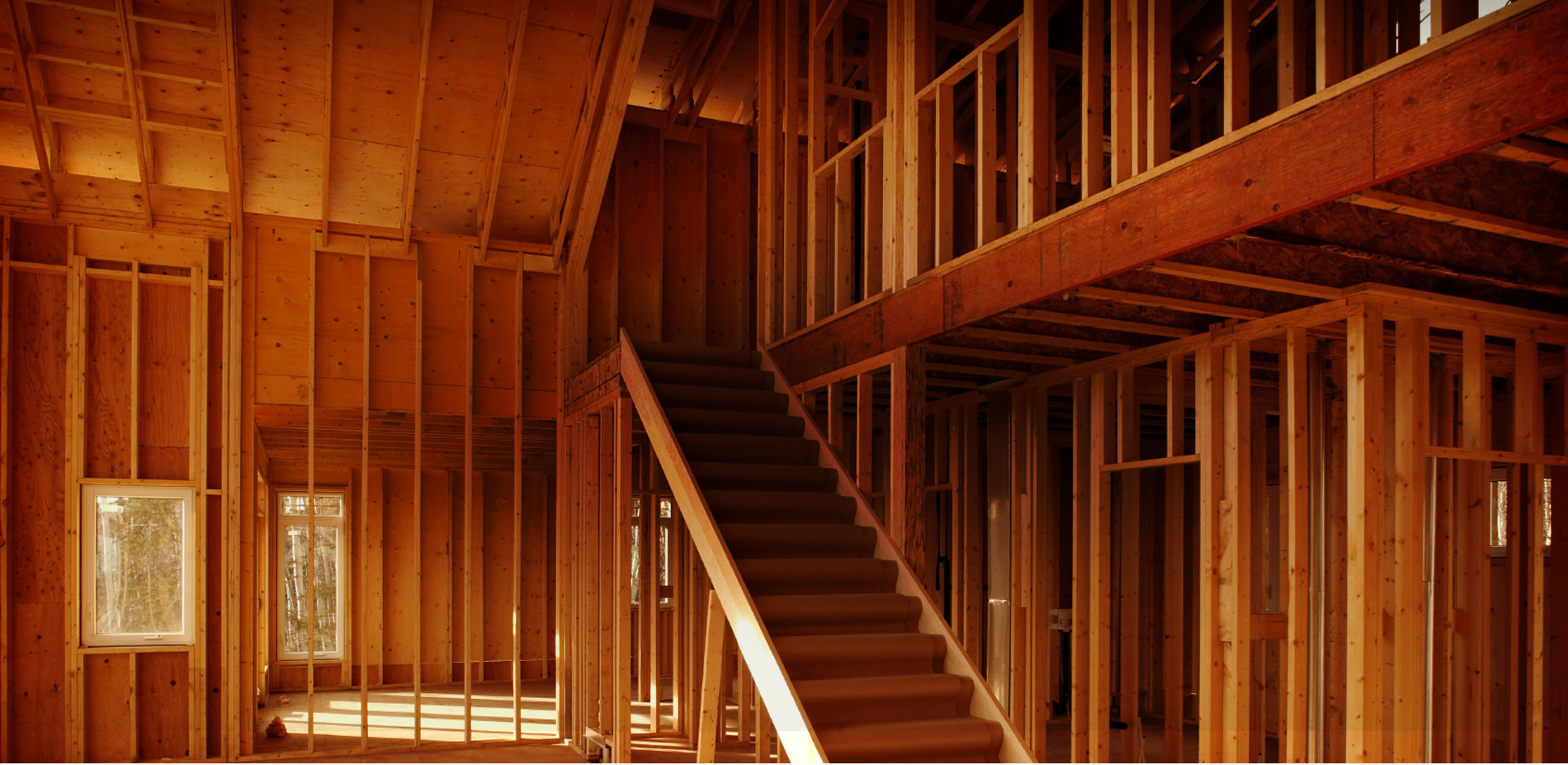


The Future of Energy Efficiency and Sustainable Materials in Home Building
Home buyers are no longer looking only for square footage and finishes — they want homes that are comfortable, energy-efficient, durable, and built for the future. For builders, that shift creates a major opportunity. Advances in insulation, HVAC technology, and sustainable materials are making it easier than ever to construct high-performance homes that reduce operating costs while increasing long-term value.
High-Performance Insulation Raises the Standard
Modern insulation systems are doing far more than meeting code minimums. High-performance options such as spray foam, rigid exterior insulation, insulated concrete forms (ICFs), and advanced mineral wool products help create tighter building envelopes that minimize heat loss and air leakage. The result is improved indoor comfort, lower utility bills, better moisture control, and reduced strain on HVAC systems. Builders investing in superior insulation strategies are also finding it easier to meet stricter energy codes and green certification requirements.
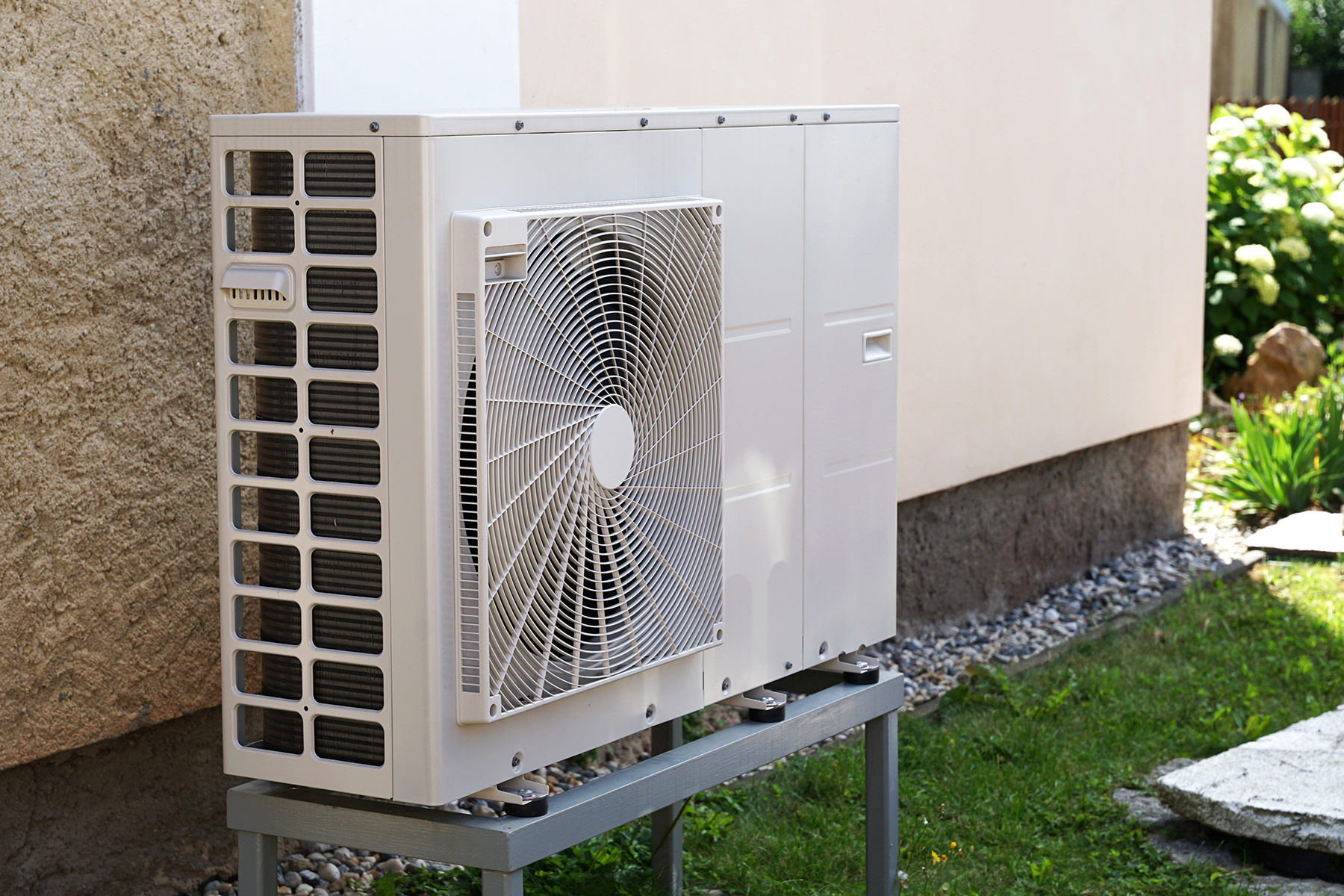 Heat Pumps Are Becoming the Preferred HVAC Solution
Heat pump technology has evolved rapidly in recent years, making all-electric heating and cooling practical even in colder climates. Today’s air-source and ground-source heat pumps offer impressive efficiency, quieter operation, and lower emissions compared to traditional furnaces and air conditioners. For builders, heat pumps provide several advantages:
– Reduced energy consumption
– Simplified mechanical systems
– Compatibility with solar energy
– Increased appeal to energy-conscious buyers
As electrification trends continue and utility incentives expand, heat pumps are expected to become a standard feature in many new residential developments.
Net-Zero Homes Are Moving Into the Mainstream
Net-zero homes — properties designed to produce as much energy as they consume annually — are no longer niche projects. Improvements in building science, renewable energy systems, and smart home technology are making net-zero construction increasingly attainable. A typical net-zero strategy combines:
– Airtight construction
– High-performance windows and insulation
– Efficient HVAC and water heating systems
– Solar photovoltaic systems
– Smart energy monitoring
Builders who adopt net-zero principles now position themselves ahead of future code changes while appealing to buyers seeking long-term energy savings and environmental responsibility.
Sustainable Materials Are Reshaping Construction
Innovation in eco-friendly building materials is accelerating across the industry. Today’s sustainable products are not only environmentally responsible; many also outperform conventional materials in durability and maintenance. Popular options include:
– Engineered wood products that reduce waste
– Recycled steel framing
– Low-carbon concrete alternatives
– Bamboo flooring and paneling
– Reclaimed wood finishes
– Composite decking made from recycled plastics
These materials help reduce environmental impact while offering strength, longevity, and modern design flexibility.
Durability Is the New Sustainability
Sustainability is no longer measured solely by recycled content. Long-lasting, low-maintenance materials contribute significantly to environmental performance by reducing repair cycles, replacement waste, and lifecycle costs. Builders who prioritize durability alongside efficiency can deliver homes that maintain value, perform better over time, and require fewer resources throughout their lifespan.
Building for the Next Generation
Energy efficiency and sustainable construction are rapidly becoming expectations rather than upgrades. Home builders who embrace high-performance insulation, heat pump technology, net-zero strategies, and innovative materials will be better positioned to meet changing buyer demands and evolving regulations. The future of residential construction belongs to homes that are smarter, healthier, more resilient, and built with long-term performance in mind.